5 Workloads That Potential for Cloud Adoption
cloud adoption5 Workloads That Potential for Cloud Adoption


Since pandemic COVID-19 spread a year ago, business industry from all over the world had to decide to implement a remote working system for their company. Some of them might succeed to adapt to its working system, but for some, it might be a challenge for their workloads. Therefore, technology like cloud adoption is needed to support companies’ work-from-home requirements. With its agility and flexibility, the cloud can maintain business continuity and build business resilience while working from home.

However, adopting cloud only to store and manage data is not enough to maintain business during COVID-19. Besides of data, some workloads are also needed to support enterprises in work collaboration and communications. Therefore, enterprises should consider cloud adoption to deploy them, so businesses can achieve the best remote working system during this pandemic. Then, what are the workloads that should be moved to the cloud?

A Vice President (VP) Analyst at Gartner, Ed Anderson, has listed five workloads that might be potential for cloud adoption.  Read them below to gain insights in maintain business during remote working:

1. Collaboration Tools
cloud adoption

(Sumber: dr.digitex from Freepix)

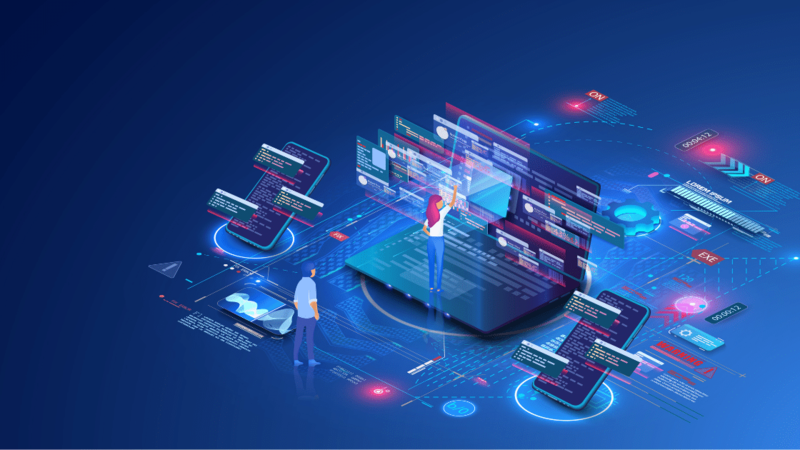
During pandemic, the demand for collaboration tools is increased for remote workers. With easy access and various features to enable remote teams to communicate and working on the same project together, those tools have offered the company productivity while working remotely. Therefore, this solution might be potential for cloud adoption.

Microsoft Office 365, iWork, and Google G Suite are three examples of cloud-based collaboration. The broad and horizontal applicability of these applications has proved of how well-suited cloud-based collaboration is for cloud delivery. Not only that, but the advancement of cloud-based collaborations also enabled more access for business while working remotely. That’s why enterprises should consider this option for the best collaborative tools.

2. Video Conference

(Sumber: AndreyPopov from Getty Images)

During pandemic, video conferencing has become the major communication tool for organizations. With the simple features, easy, and fast access, people now are using video conference not only to communicate with friends and family, but business is also included in it.

That’s why, as the remote workers increased, the demand for video conferencing doubled or even tripled in some markets. With the massive number of its usage even for business needs, of course, it will cause the immense demand for networking bandwidth. Hyperscale cloud providers can be a solution to deliver this solution. With its flexibility and high scalability, video conferencing can be potential for cloud adoption.

3. Virtual Desktop 

(Sumber: Pinkypills from Getty Images)

According to doubleoctopus.com, Virtual Desktop is an operating system and accompanying applications that are hosted on a server and made accessible to an endpoint. It is typically accessed through client software installed directly on an endpoint, and it can be used to enable the user to interact with each other. Therefore, this technology becomes one of the important tools for remote workers while working from home.

With the rising demand of its usage, cloud adoption can be a solution to deploy Virtual Desktops. While often delivered as a data center service, cloud-based desktop virtualization has become mainstream and provides stable and scalable control points than traditional data-center-based solutions.

4. Scale-out applications
(Sumber: pikisuperstar from Freepik)

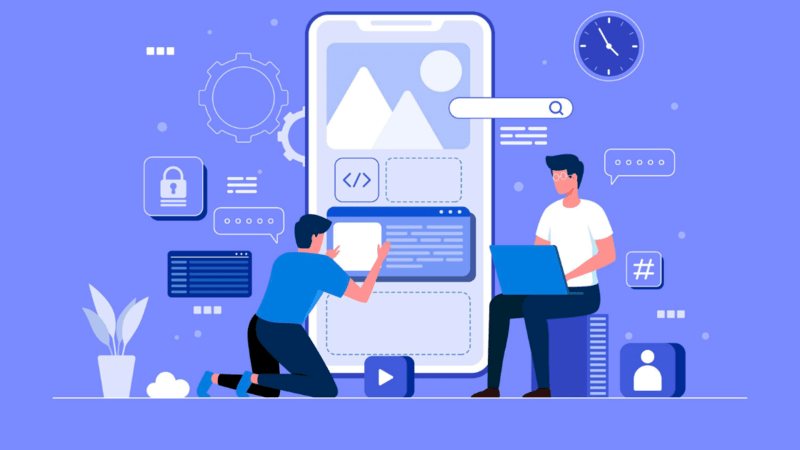
According to technopedia.com, scaling-out is the IT strategies that increase the processing power and storage capacity of systems. So, if the applications need to be scaled-out, it means the applications could get benefit from adding additional resources to satisfy increases in demand.

Hyperscale cloud adoption can be a good choice to deploy scale-out applications. With the easy transition for enterprises to migrate their applications to the cloud, companies can grow their cloud at their own pace and hosting applications with variable usage or scale-out requirements.

5. Disaster Recovery  
(Sumber: olm26250 from Getty Images)

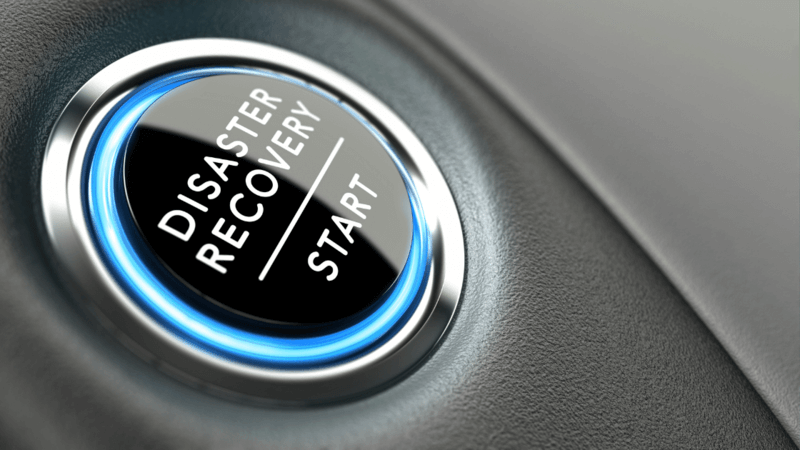
According to Gartner, 50% of organizations will increase their budget for cloud-based Disaster Recovery (DR) solutions by 2023. It can be predicted, as DR offers the cost-effectiveness of using a pay-per-use environment to support unexpected failover. That’s why, if your company needs a solution that can prevent the risk of downtime and can maintain business continuity at the same time, a cloud adoption for Disaster Recovery might be the best choice for your business. 

At Zettagrid we offer Disaster Recovery as a Service like secondsiteDR to support businesses in achieving their business continuity. With the High Availability and RTO below 15 minutes, Disaster Recovery can help the business to reduce downtime caused by disaster or even human errors. 


If you have any further questions about our solution, you can contact us here or through sales@zettagrid.id.
Solusi Untuk Mencegah Downtime Pada Data Center

solusi untuk mencegah downtimeSolusi Untuk Mencegah Downtime Pada Data Center

Seiring berkembangnya teknologi digital, infrastruktur penyimpanan dan pengolahan data seperti data center menjadi kebutuhan yang wajib dimiliki oleh berbagai organisasi. Dengan adanya infrastruktur ini, akses server data, aplikasi, maupun website dapat dilakukan dengan cepat dan mudah. Tak hanya itu, kecepatan akses hingga skalabilitas penyimpanan datanya yang tinggi pun bahkan bisa memicu berkembangnya layanan bisnis. Sehingga tak mengherankan jika infrastruktur ini banyak dimanfaatkan oleh berbagai industri.

Meskipun pemanfaatan data center membawa keuntungan bagi pengusaha, nyatanya infrastruktur satu ini juga kerap mengalami downtime. Jika bisnis Anda menggunakan infrastruktur data center, Anda pastinya tahu betul downtime berpotensi menjadi ancaman bagi keberlangsungan bisnis. Bahkan menurut riset yang dilakukan statista.com, downtime akibat kegagalan hardware yang terjadi di berbagai organisasi sepanjang 2020 lalu ditaksir merugi hingga 301.000 US Dollar. Dengan angka tersebut, tentu dapat dibayangkan jika kendala tersebut mampu membawa dampak buruk bagi kelangsungan perusahaan.

Oleh karena itu, Anda perlu mempertimbangkan beberapa hal untuk mencegah terjadinya kerugian tersebut. Beberapa tips di bawah ini bisa menjadi solusi untuk mencegah downtime pada data center akibat kegagalan hardware:

1. Menggunakan sumber daya yang andal

Sumber: Bret Sayless from Pexels

Untuk mencegah kerugian akibat downtime, pengusaha bisa mulai memilih sumber daya yang andal untuk data center. Pemilihan ini bisa menyangkut infrastruktur dan penyedia layanan solusi IT untuk menjamin operasional sistem. Sehingga ketika downtime terjadi, operasional bisnis bisa tetap berjalan seperti normal kembali.

Tak cukup itu saja, power supply yang stabil, perlindungan terhadap kebakaran, environment control, pendingin ruangan, hingga fitur keamanan data center pun menjadi sumber daya lain yang perlu diperhatikan. Sebab dengan memaksimalkan pemeliharaan beberapa sumber daya tersebut, risiko downtime karena kegagalan hardware, bencana, ataupun human error dapat diminimalisir sebaik mungkin.

2. Pemeliharaan secara berkala

solusi untuk mencegah downtime

Sumber: Zhuyufang from Getty Images Pro

Pemeliharaan secara berkala bisa menjadi solusi untuk mencegah downtime pada data center. Dengan memperhatikan sumber daya lainnya untuk pengalihan listrik, data center dapat tetap bekerja sebagaimana mestinya ketika sumber listrik utama mati. Misalnya, ketika listrik dari PLN mati, perusahaan masih bisa menggunakan sumber daya lainnya untuk menjalankan data center.

Tak hanya itu saja, memonitor pendingin ruangan data center dan generator secara berkala juga diperlukan oleh perusahaan. Sebab jika departemen IT Anda melewatkan aktivitas satu ini, data center berpotensi cepat rusak hingga menimbulkan downtime akibat generator dan perantinya yang terlalu panas. Bisnis pun bisa berakhir dengan merogoh kocek yang tidak sedikit untuk memperbaiki hardware.

3. Memonitor Data Center

solusi untuk mencegah downtime

Sumber: Gorodenkoff from Shutterstock

Memelihara data center tentu tidak bisa dilakukan secara sembarang. Oleh karenanya, melakukan manajemen data center sangat penting bagi perusahaan. Anda bisa mulai mencari tahu apa saja yang perlu dilakukan untuk mencapai pemeliharaan yang sesuai prosedur. Selain itu, manajemen waktu juga menjadi kunci untuk pemeliharaan tersebut. Jadi, jika pemeliharaan dilaksanakan setiap 120 hari, Anda bisa mengalokasikan 10% (12 hari) dari waktu tersebut untuk melakukan perbaikan.

Merinci hasil pemeliharaan data center juga tidak boleh terlewatkan. Ini bisa digunakan untuk mengidentifikasi dan menganalisa kemungkinan masalah yang terjadi pada data center. Dengan proses tersebut, perusahaan bisa mengambil tindakan selanjutnya untuk mencegah potensi dan risiko downtime di masa yang akan datang. 

Namun jika Anda menggunakan penyedia layanan cloud, waktu dan potensi downtime bisa direspon dengan lebih cepat oleh tim support. Bahkan, hasil dan analisa penyebab downtime juga dilaporkan oleh penyedia layanan. Sehingga, organisasi tidak perlu repot mengidentifikasi downtime pada data center.

4. Menggunakan Virtual Data Center yang High Availability

Sumber: baranozdemir from Getty Images Signature 

Menggunakan Virtual Data Center (VDC) bisa menjadi solusi untuk mencegah downtime. Dengan kapasitas  penyimpanan yang High Availability dan Redundant Power, pengusaha bisa lebih memitigasi risiko downtime. Tak hanya itu, pemanfaatan VDC juga dapat menggeser investasi CapEx ke investasi OpEx yang lebih dinamis. Jadi, ketika bisnis perlu untuk meningkatkan skalabilitas dan dayanya, pengusaha tidak lagi memerlukan biaya pembelian atau pemeliharaan hardware.

Selain High Availability dan efisien, menggunakan layanan VDC juga memudahkan bisnis untuk mengerjakan hal lainnya. Jadi, ketika infrastruktur memerlukan pemeliharaan atau peningkatan kapasitas sistem, tenaga ahli layanan VDC akan mengerjakannya untuk perusahaan Anda. Bisnis pun bisa lebih fokus dan menghemat anggaran, karena tidak lagi perlu merekrut tenaga kerja untuk memelihara infrastruktur data center.

5. Menjalankan skenario Disaster Recovery

Sumber: baranozdemir from Getty Images Signature 

Tak hanya pada bencana, skenario Disaster Recovery juga bisa menjadi solusi untuk mencegah downtime.  Dengan mengaktifkan skenario failover ketika terjadi downtime, semua VM yang telah direplikasi di cloud akan dikirimkan ke On-Premise untuk penggunaan resource. Sehingga, Anda tidak perlu cemas ketika kendala terjadi, karena Disaster Recovery mampu menjamin operasional bisnis dapat berjalan secara maksimal.

Namun demikian, memilih layanan Disaster Recovery juga tidak bisa dilakukan sembarangan. Beberapa pertimbangan juga perlu untuk diperhatikan oleh bisnis, agar skenario layanan tersebut dapat berjalan optimal. Pada artikel sebelumnya, sempat dijelaskan jika beberapa aspek seperti performa layanan Disaster Recovery, Recovery Time Objective (RTO), Recovery Point Objective (RPO), jaminan konsistensi, hingga lokasi sangat berpengaruh terhadap layanan. Sehingga jika Anda perlu untuk menggunakan Disaster Recovery sebagai solusi untuk mencegah downtime, ada baiknya beberapa aspek tersebut diperhatikan lebih dulu.

Zettagrid Indonesia merupakan penyedia layanan Cloud berbasis Infrastructure as a Service (IaaS) di Indonesia. Dengan menyediakan layanan berupa Virtual Data Center (VDC), Backup as a Service (BaaS), dan Disaster Recovery as a Service (DRaaS), Zettagrid berkomitmen untuk membantu pengusaha bertransformasi di era digital. Jika Anda memiliki pertanyaan lebih lanjut, hubungi kami di sini atau melalui sales@zettagrid.id.

Cloud Managed Services Advantages to Your Business
cloud managed servicesCloud Managed Services Advantages to Your Business


As data and information have an impact on your business development, storage is needed to store all those enterprise-critical assets. Cloud can be a solution to solve that need. With the compatibility and automation that it gave, the cloud can store critical data safe and efficiently.

However, deciding to choose cloud without comprehensive management, will make business susceptible to security threats, data loss, and even costly downtime. Whether you have a multi-tenant or hybrid cloud environment, a cloud expert is needed to help businesses achieve the maximum cloud management. That’s why, the cloud managed services provider can be a solution for enterprise data management, considering they had extensive cloud knowledge to support your environment, fill in management gaps, and provide cloud compliance services.

What is cloud-managed service?

According to agileit.com, cloud-managed services refer to outsourcing daily IT management for cloud-based services and technical support to automate business operations. 

So, if the business’s internal IT departments don’t possess the skills to effectively monitor and maintain a cloud environment, the cloud managed services provider will help the enterprise to manage cloud security, computing, storage, network operations, application stacks, and more. Not only that, but the managed services can also handle monitoring and reporting, performance testing, backup and recovery, and more. Therefore, enterprises shouldn’t be worried more if IT issues come up.

Outsourcing IT management to the cloud can also bring some advantages for enterprises. Curious to see what are them? Read them below here:

1. Predictable and cost savings

Hiring a full-time IT department to handle storage management would be expensive and often unnecessary for small to medium-sized businesses (SMB). That’s why outsourcing cloud-managed services is here to help businesses reduce costly network maintenance costs.

By using a managed service provider like Zettagrid Indonesia, businesses can save thousands each year in the cost of an in-house IT department. Not only that, with the flexibility of cloud-managed service, the enterprise also can decide how much they’re willing to pay for IT service and still have a consistent monthly bill.   

2. Custom and integrated services

Did you know? Cloud-managed services are flexible. It can be said as some providers offer pay-per-service or payment plans. That’s why it enables the enterprises to focus on investment in other business growth.

Not only that, but cloud-managed services also offer a converged solution, which produces, even more, cost savings. These converged solutions may include security protection, network monitoring, or even the setup of a new service area. So, business will have integrated services from the vendor.

3. Centralized network services and applications

By adopting a managed cloud network, the provider will manage all applications and servers in Data Center. So, if the network availability is increased, the network users can access centralized data within the same network including virtual services, storage, and backup. Therefore, this service will force employees to maintain their productivity while working remotely.

4. Coverage on all service levels

Cloud service providers offer better control over service levels, performance, and maintenance. With a comprehensive service-level agreement, your business will gain service continuity. Not only that, the longer you work with a cloud managed services like at Zettagrid Indonesia, the more familiar we become with your network, leading to faster issue response times.

5. Prepared to manage the latest technology

Migrating to a cloud environment might be the first step to develop your business. But for next, you might need to reduce or even increase its scalability to expand your business. By hiring an in-house IT staff, your IT department will have to spend more money and time for training when a cloud, new technology, or required upgrade gets released.

But if the company decides to use a cloud managed services provider, it will be easier for the company to develop its technology and service, considering cloud technicians are already prepared to manage those.

Zettagrid Indonesia is one of the cloud computing service providers of Infrastructure as a Service (IaaS) that offers Virtual Server, Virtual Datacenter, Backup as a Service (BaaS), and Disaster Recovery as a Service (DRaaS). If you have any further questions about cloud computing solutions, you can contact us here or by sales@zettagrid.id.

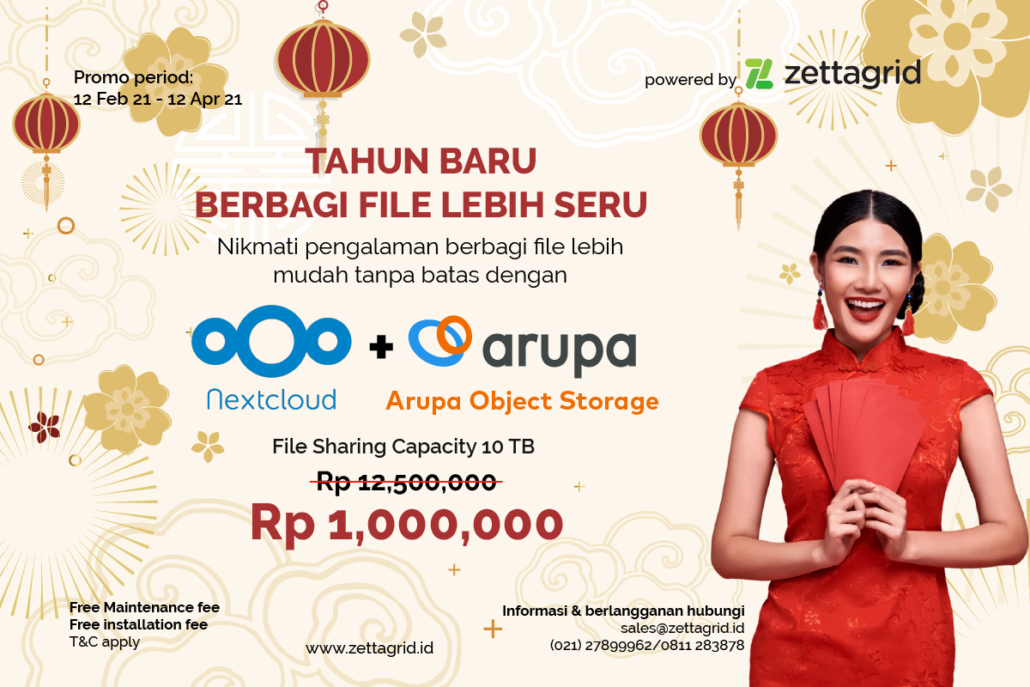
Nikmati Paket Hemat File Sharing Tanpa Batas Hingga 90% 

file sharing 90%Tahun Baru Berbagi File Lebih Seru

Nikmati Paket Hemat File Sharing Tanpa Batas Hingga 90% 


Selamat Tahun Baru Imlek 2021! Gong Xi Gong Xi! 

Tahun baru berbagi file lebih seru dengan promo spesial dalam rangka tahun baru imlek 2021! Nikmati penawaran bundling spesial persembahan dari Zettagrid Indonesia, penyedia layanan Cloud Computing lokal Tier IV, yaitu layanan file sharing sebesar 10TB dari Nextcloud dan Arupa Object Storage hanya dengan membayar Rp 1,000,000 selama satu bulan dari harga normal sebesar Rp 12,500,000. Tidak hanya itu, anda juga berhak mendapatkan keuntungan lainnya sebagai berikut:

  •  Kapasitas performance hingga 2 GHz, 4 GB RAM, dan 10 TB
  •  Free maintenance
  •  Free installation

Wah kapan lagi bisa berbagi file dengan mudah, nyaman, aman dan tanpa batas dengan Nextcloud dan Arupa Object Storage. Yuk segera berlangganan! Karena promo hanya berlaku mulai dari 12 Februari 2021 – 12 April 2021. 

Tunggu apa lagi? Ayo order sekarang dan rayakan tahun kerbau logam ini bersama penawaran dari Zettagrid Indonesia! Tertarik untuk berlangganan atau ingin mendapatkan infromasi selengkapnya? Hubungi kami melalui email di sales@zettagrid.id atau telpon di 0811-28-38-78.

How Cloud Computing Can Help Enterprise Facing Future IT Challenges
cloud enterpriseHow Cloud Computing can help Enterprise Facing Future IT Challenges

As technology evolves and shifts digitally, many organizations now are adapting and developing their infrastructure as well. Ranging from lifestyle, education, healthcare, and even business industry are now into digital for the better development process. By seeing this, of course, we can conclude that technology has opened up many opportunities and automation for industries. Therefore, it is no doubt that technology has made all activities become easier now.

Although its development has come with a good prospect for industries, digital technology could also cause cybersecurity threats. According to Gartner, the number of Internet of Things (IoT) devices that doubled every five years has created security risks that must be mitigated. Not only that, but the expansion of digital technology would also make organizations keep maintaining their infrastructure for their business continuity in the future. Therefore, solutions are needed by organizations to face these IT challenges.

Gartner has predicted a few cores that will help enterprises through the digital era and business challenges. Read them below here:

1.  Isolated or segmented network devices will stand stronger against cyber attacks

Gartner expects more than 15 billion IoT devices will connect to the enterprise infrastructure by 2029. Corporate, guest, trusted and untrusted devices all pose a risk to the enterprise if IT leaders do not properly coordinate when and how they will be connected.

It is not uncommon for IT organizations to find IoT devices on their networks that they did not install, secure, or manage themselves. These are the devices that can be hacked in as little as three minutes, with breaches taking six months or more to discover. Therefore, it is important for enterprises to be aware of this cyber-attack. But, how to prevent this? 

  • Enterprise could rally the entire organization to agree on a common governance structure for device connectivity. Without one, IT organizations will risk losing control of being able to secure the network.
  • Create a device certification process for all devices that must be passed before any device is connected to the enterprise network.
  • Be sure to include contributions from a cross-functional team, not just within IT.

By segmenting or isolating devices, enterprises will be less vulnerable to cyber threats. In fact, through 2023, enterprises that do so will experience 25% fewer successful cyberattacks.

2.  Deployment to the Cloud Computing is accelerating

According to the 2020 Gartner Cloud End-User Buying Behavior Survey, almost all organizations plan to maintain or increase IT spending on Cloud Computing in the next 12 months. The statement apparently was caused by the automation that cloud infrastructure gave for enterprises in achieving new digital services and workloads. That’s why 40% of all enterprise workloads will be deployed in Cloud Infrastructure and Platform Services (CIPS) by 2023, up from only 20% in 2020. 

Not only that, COVID-19 pandemic also resulted in a recalibration of cloud strategies, where collaboration, mobility, and Virtual Desktops are rapidly moving to the Cloud Computing for a better distributed and secure workforce. But for cloud migrations, Gartner has marked that Disaster Recovery and scale-out applications that benefit from cloud flexibility can be a good choice for enterprise to run through.

3.  Edge Computing solutions will shake out over the next 5 years

Edge Computing platforms are software and hardware that enable a zero-touch, secure, distributed computing architecture for applications and data processing at or near the edge.

Centralized, cloud-hosted management with a growing portfolio of common cloud computing and edge capabilities, have put hyper-scale cloud providers in a good position to address a range of requirements for computing closer to the edge.  Yet, by year-end 2023, only 20% of installed Edge Computing platforms will be delivered and managed by hyper-scale cloud providers (an increase from less than 1% in 2020).

Not only that, a Senior Director Analyst of Gartner, James McArthur also said Edge Computing will evolve from supporting thousands of custom patterns to merely dozens, or complementing edge solutions. That’s why it is important for enterprises to prioritize a distributed cloud-based solution as the default and future-proof edge solutions.

Zettagrid Indonesia is one of the cloud computing service providers of Infrastructure as a Service (IaaS) that offers Virtual Server, Virtual Datacenter, Backup as a Service (BaaS), and Disaster Recovery as a Service (DRaaS). We also already achieved VMware Cloud Verified which could be beneficial for our customers so they could use all automation from VMware cloud technology. If you have any further questions about cloud computing solutions, you can contact us here or by sales@zettagrid.id.

3 Dampak Yang Bisa Diakibatkan Pertumbuhan Data
dampak pertumbuhan data3 Dampak Yang Bisa Diakibatkan Pertumbuhan Data


Data merupakan sumber inovasi bagi bisnis. Keberadaan data saat ini tidak lagi menjadi entitas pasif yang hanya digunakan untuk mengisi arsip, tetapi data juga menjadi alat paling kuat yang digunakan oleh organisasi untuk membuat keputusan. Oleh sebab itu, data kini menjadi aspek penting yang perlu dimiliki dan dikembangkan agar bisnis bisa terus berinovasi pada layanannya.

Seiring berkembangnya penggunaan teknologi, data yang dihasilkan pun tentu ikut berkembang. IDC sempat mencatat jika data di dunia yang dihasilkan pada tahun 2020 lalu telah mencapai 59 ZB (zettabyte; 1 miliar TB). Pertumbuhan ini bahkan dikatakan meningkat secara signifikan, jika melihat tahun 2018 lalu yang telah menghasilkan 33 ZB data. Tak hanya itu, IDC juga memprediksikan jika data yang dihasilkan pada tahun 2025 mendatang akan mencapai 175 ZB. Ledakan data sudah di depan mata. Dapatkah Anda bayangkan apa yang akan terjadi selanjutnya?

Beberapa hal mungkin akan dialami oleh berbagai organisasi ketika ledakan data terjadi. Bahkan, penelitian dari Universitas Fudan di China sempat mengemukakan tentang dampak yang mungkin akan muncul ketika pertumbuhan data kian masif. Penasaran apa saja dampak tersebut? Simak selengkapnya di bawah ini:

1. Sulit menentukan data yang dibutuhkan

Jika sebelumnya bisnis mampu menemukan data yang relevan dan kredibel untuk pengembangannya, maka di tahun 2025 hal ini justru akan sulit untuk dilakukan. Pasalnya, ketika ledakan data terjadi, data yang tersimpan baik di sistem komputer maupun internet akan berlipat ganda setiap 12 jam sekali. Bahkan IDC pun mengatakan 1,5 kali jumlah data yang dikonsumsi saat ini tidak akan bisa lagi digunakan di tahun 2025.

2. Sulit membagikan data

Salah satu tujuan penggunaan komputer adalah memudahkan bisnis untuk membagi data. Namun, jika data yang dihasilkan saja kian meningkat sepanjang waktunya, maka hal ini akan menyulitkan bisnis untuk membagikan datanya melalui jaringan komputer ke media lain. 

Bayangkan jika hal ini terjadi dan Anda tidak memiliki penyimpanan data dan teknologi yang kompatibel, ini pastinya akan menyulitkan bisnis untuk berkembang dan berinovasi. Oleh sebab itu, sebelum hal ini datang menerpa bisnis, ada baiknya Anda mempertimbangkan solusi penyimpanan yang tepat untuk bisnis Anda.

3. Kesulitan menjaga data agar tetap konsisten

Salah satu dampak yang mungkin terjadi ketika bisnis mengalami ledakan data adalah sulitnya menjaga data agar tetap konsisten. Peneliti dari Fudan University mengungkapkan bahwa inkonsistensi data dapat dilihat ketika kita melakukan pengambilan kueri objek yang sama di website lain dan hasil yang didapatkan ternyata berbeda. Maka dari itu, bisnis akan sulit untuk menentukan data yang sesuai jika jumlah data yang tumbuh terus meningkat setiap tahunnya.

Dari beberapa dampak tersebut tentu dapat dimaknai bahwaledakan data bisa menyulitkan bisnis untuk menyimpan maupun mengakses data secara tepat. Bahkan lebih dari itu, bisnis juga bisa kehilangan peluang serta keuntungan yang didapat dari aset dan data yang dimiliki. Sebagai pelaku usaha, Anda pastinya tidak ingin hal tersebut juga terjadi kepada bisnis Anda, bukan? Dari pada menunggu ledakan data menerpa bisnis, ada baiknya Anda pertimbangkan solusi dan teknologi yang memadai untuk hadapi pertumbuhan data yang kian masif.

Arupa Cloud Nusantara yang dibawahi oleh Zettagrid Indonesia menghadirkan solusi Arupa Object Storage untuk membantu bisnis hadapi pertumbuhan data. Dengan kapasitas penyimpanan yang cepat dan mudah diskalakan hingga bilangan exabytes, kini bisnis tidak perlu lagi khawatir untuk hadapi ledakan data yang kian meningkat. 

Tertarik untuk mengetahui solusi Arupa Object Storage lebih lanjut? Diskusikan bersama kami di sini atau melalui tim kami ke sales@zettagrid.id.

Bagaimana Cara Memilih Layanan DRaaS?

memilih layanan DRBagaimana Cara Memilih Layanan DRaaS?

Dalam mengembangkan bisnis, situasi bencana seperti sekarang merupakan salah satu ancaman umum yang harus dihadapi. Tak hanya itu, bahkan keberadaan bencana alam kerap kali membawa risiko tersendiri bagi para pengusaha. Mulai dari terhentinya operasional bisnis, rusaknya infrastruktur gedung, hingga hilangnya data-data penting perusahaan. Dengan melihat fenomena ini, solusi pun dibutuhkan demi menyelamatkan bisnis dari risiko bencana. Salah satunya adalah dengan menggunakan Disaster Recovery as a Service (DRaaS).

DRaaS sering kali menjadi infrastruktur pilihan bagi bisnis untuk menghindari terjadinya risiko bencana maupun Downtime. Dengan sistem yang secara khusus dibangun untuk menempatkan aplikasi, data, hingga backup data perusahaan, bisnis bisa tetap menjalankan operasionalnya dengan baik meski kedua kendala tadi menyerang. Bagi Anda yang berencana untuk memanfaatkan layanan DRaaS, berbagai hal tentunya harus dipertimbangkan oleh Anda sebelum menentukan layanan pilihan.

Berikut telah kami paparkan lima hal yang perlu bisnis perhatikan ketika memilih layanan DRaaS. Simak selengkapnya di bawah ini:

1. Performa layanan DRaaS

Saat memilih layanan DRaaS, Anda pastinya ingin layanan dapat berjalan semaksimal mungkin. Untuk itu, mengetahui dampak minimum terhadap aplikasi yang berada di Data Center primer sangat penting untuk dilakukan. Penyedia layanan DRaaS pun harus menjamin bahwa software yang digunakan untuk melindungi aplikasi pada Data Center primer memiliki dampak gangguan yang minim. Oleh karenanya, scenario uji coba DR harus dilakukan agar ekspektasi Anda bisa sesuai dengan layanan yang diberikan oleh penyedia.

2. Jaminan konsistensi dari penyedia layanan

Saat memilih layanan DR, Anda harus bisa memastikan jika penyedia layanan DR mampu memberi jaminan atas konsistensi data ketika terjadinya bencana. Biasanya konsistensi data ini mencakup aplikasi, transaksi, hingga poin-in-time (konsistensi pada waktu tertentu).

3. Recovery Point Objective (RPO)

Sistem RPO menjadi hal penting yang perlu diperhatikan dalam memilih layanan DRaaS. Pada umumya, sistem ini akan mengatur berapa lama waktu yang bisa ditoleransi dalam kehilangan data ketika terjadinya bencana. Jika RPO terjadi selama 15 menit, maka data yang akan direplikasi dari Data Center primer ke Data Center sekunder adalah setiap 15 menit.

Perlu diketahui, sistem RPO ini turut dipengaruhi oleh 2 hal, yaitu besar perubahan data (delta data) dan besarnya bandwidth untuk replikasi. Jadi bisa dikatakan untuk mencapai RPO dengan jangka waktu 15 menit, organisasi membutuhkan sekitar 4 Mbps (Mega bits per second) untuk 300 MB (Mega Bytes) delta data.

4. Recovery Time Objective (RTO)

Pada sistem ini akan diatur berapa lama Data Center sekunder bisa beroperasi setelah Data Center primer terjadi bencana. Oleh karenanya, sistem ini pun ikut menjadi pertimbangan agar Anda dapat mengetahui jeda waktu yang dibutuhkan ketika kendala terjadi.

5. Lokasi

Selain keempat poin di atas, lokasi Data Center sekunder pun menjadi salah satu aspek penting dalam pemilihan layanan DR. Ini dilakukan mengingat jarak penyimpanan antara Data Center primer dan sekunder harus mencapai radius minimal 30 km untuk sistem terbaik. Tak hanya itu, jarak lokasi penyimpanan ini juga akan mempengaruhi biaya WAN dan latency. Oleh sebab itu, untuk memaksimalkan kinerja DR, ada baiknya pemilihan lokasi yang tepat perlu dilakukan.

Sebagai penyedia layanan infrastruktur cloud lokal, Zettagrid Indonesia menawarkan layanan Disaster Recovery as a Service (DRaaS) untuk mendukung keberlangsungan bisnis Anda. Dengan dua lokasi Data Center yang bertempat di Jakarta dan Cibitung serta telah bersertifikasi Tier IV, data Anda akan aman terjaga pada infrastruktur cloud Zettagrid. Jika Anda memiliki pertanyaan lebih lanjut mengenai layanan cloud kami, Anda dapat menghubungi kami di sini atau melalui sales@zettagrid.id.

How Object Storage Helps Your Ever-Expanding Data Management

object storage

How Object Storage Helps Your Ever-Expanding Data Management

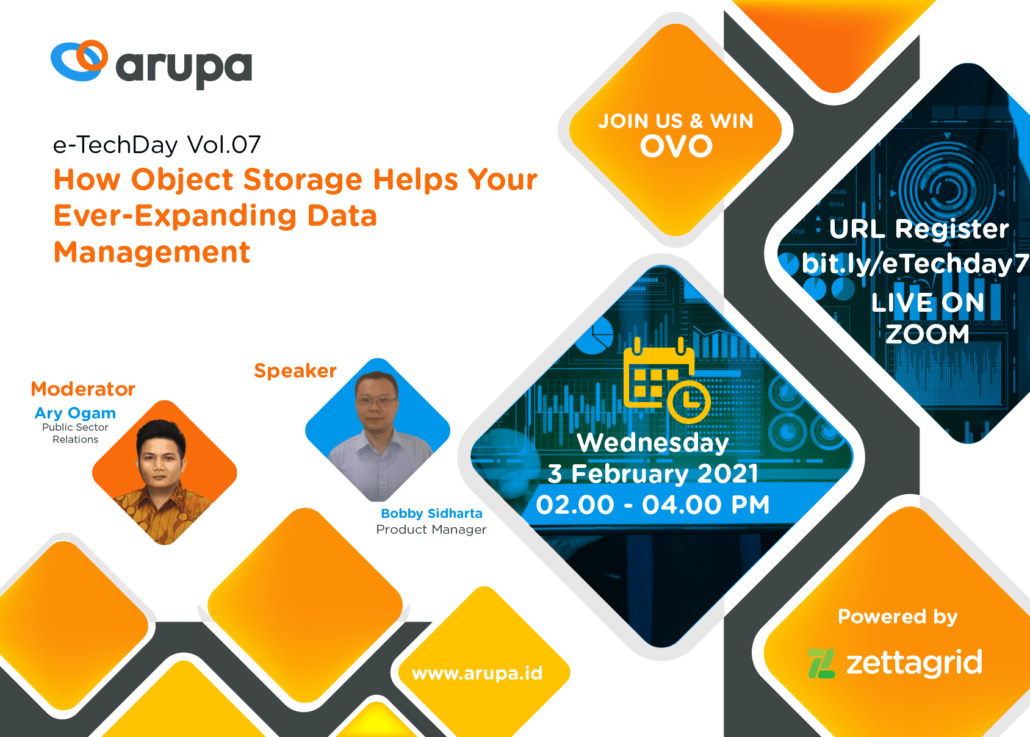
Seiring dengan berkembangnya teknologi, data di dunia juga turut serta meningkat pesat setiap saat. Bahkan IDC memprediksi data di dunia selama 2020 lalu telah mencapai lebih dari 59 ZB. Lalu, apa yang akan tejadi jika terjadi ledakan data? Bagaimana mengelola data yang selalu bertambah setiap saatnya dengan baik dan aman sehingga bisnis anda dapat tetap memanfaatkan potensial data yang dihasilkan setiap saat?

Temukan jawabannya di “Zettagrid e-TechDay Vol.07: How Object Storage Helps Your Ever-Expanding Data Management”

Detail event:

Wednesday, 3 February 2021

14.00 – 16.00 WIB

Zoom Meetings

Speaker: Bobby Sidharta, Project Manager Arupa Cloud Nusantara

Link to register:

Daftarkan diri anda sekarang dan dapatkan kesempatan untuk memenangkan OVO cash senilai ratusan ribu Rupiah! 

5 Cloud Computing Trends That Will Happen in 2021
Cloud Computing 20215 Cloud Computing Trends That Will Happen in 2021


The increasing number of data has brought the cloud to be the potential storage for its management. Cisco predicts that by 2021, cloud data centers will process as much as 94% of all workloads. With this percentage, Cloud Computing Industry like Cloud Service Providers had to increase their level of innovation to help businesses handle data management. Therefore, the solution is needed to prepare for any changes in Cloud Computing models. 

In this article, we compiled five Cloud Computing trends to help enterprises in facing cloud opportunities and challenges in 2021. Let’s take a look at these ones to make your cloud strategy to be more successful:

1. Moving Cloud Towards the Edge

As a new decade begins, many technologies such as 5G, Artificial Intelligence (AI), and even Machine Learning (ML) now appear to become solutions for some industries. Forresters said those components will need Cloud Computing for the integration. However, the integration would not be enough if other relevant factors like its deployments only on the cloud, therefore solutions like Edge, is needed to help its deployments.

The ‘Edge’ refers to a computing model that optimizes web applications and internet devices by reducing the data source distance. Some of the advantages of Edge Computing include easy deployment for services in the case of developers, and the ability of the cloud to solve the gap existing between the cloud and end-users. However, this integration may create a problem when it comes to providing high levels of data security.

2. AI Will Revolutionize Cloud Computing

As Cloud Computing rises in 2021, technology like Artificial Intelligence (AI) will be an integral solution in driving the cloud towards its full potential. Let’s imagine what cloud that is integrated with AI, could do to anticipated inventions such as smart cities, self-driving cars, automated health-checks, among other inventions. 

Through Cloud Computing services such as Infrastructure as a Service (IaaS), or Platform as a Service (PaaS), the IT department working with low budgets will be able to utilize the full power of AI. Not only that, but Machine Learning (ML) also will play a critical role to keep data centers running efficiently.

3. Multi-cloud will continue to grow

In 2020, multi-cloud or hybrid-cloud was a popular solution for enterprises in running their business needs. Yet, who might expect that this Cloud Computing trend still continues to grow in 2021? Due to the difference in services offered by cloud service providers, many organizations in 2021 still considering Multi-cloud as a solution. Gartner says, 80% of customers will be adopting Multi-cloud into their cloud strategy.

4. The rise of the cloud-native

As it is mentioned before, Multi-cloud will be rising in 2021. To activate the experience to be brought about by this change, cloud-native technologies can be a solution for the equation. Here are some components that make up the cloud-native technology stack:

  • Containerization

With projected revenue growth of 24 million by 2024, container management repositories contained the most power when it comes to cloud-native capabilities. This can be said as the cloud-native can perform tasks such as workload transportation across multiple channels (on-premise, the cloud, and on the edge).

  • Serverless computing

As the 5 best fastest growing Platform as a Service (PaaS) cloud services in 2020, serverless computing enables the IT department to deploys applications across different clouds.

  • Orchestration platform

These platforms have a function to reduce the complexity of container management across different cloud service providers.

5. The needs for Data Security, Private, and Regulations will be increased

Although 2021 will be potential for a whole new level of innovation, this era also will be at risk of data security. According to LogicMonitor, IDC, 33.3% of organizations are struggling with cloud adoption because of data security. There are many questions about how the integration of new technologies such as 5G, serverless computing, edge computing, and many others will affect cloud security. Therefore, in 2021, Cloud Service Providers will be expected to come up with solutions that will ensure data security.

Zettagrid Indonesia is an Indonesian cloud service provider that offers Infrastructure as a Service (IaaS) solutions such as Backup as a Service (BaaS), Virtual Server, Virtual Datacenter, and Disaster Recovery as a Service (DRaaS). Zettagrid Indonesia is also VMware’s Cloud Verified Partner and has data center locations in Jakarta and Cibitung. We are committed to being closer to you and ready to help you 24/7.

If you have any further questions about the cloud, you can contact us here or through our team at sales@zettagrid.id.

3 Kendala Umum yang Dihadapi Perusahaan Saat WFH  
kendala saat wfh3 Kendala Umum yang Dihadapi Perusahaan Saat WFH


Keberadaan pandemi COVID-19 hingga kini terus memberi peningkatan yang signifikan. Tercatat pada Desember 2020 lalu, penambahan kasus per-minggu telah mencapai 48.434 kasus, sementara pada Januari 2021, kasus telah mencapai 51.986 per-minggu-nya. Besarnya jumlah tersebut tentu menjadi kekhawatiran tersendiri bagi pemerintah. Oleh karena itu, untuk kembali melandaikan angka tersebut, Pemerintah Indonesia kembali memberlakukan Pembatasan Sosial Berskala Besar (PSBB) secara ketat bagi wilayah Jawa dan Bali mulai 11 Januari 2021.

Bagi perusahaan yang terdampak dengan kebijakan tersebut, sistem bekerja dari rumah (Work From Home, WFH) tentu menjadi solusi untuk mempertahankan keberlangsungan bisnisnya. Namun di sisi lain, pemberlakuan WFH di masa pandemi ini juga dapat membawa tantangan tersendiri bagi perusahaan. Lalu, kendala umum apa saja yang kerap ditemui perusahaan ketika menerapkan sistem WFH? Simak selengkapnya di bawah ini:

1. Konektivitas jaringan yang buruk

Saat WFH, konektivitas jaringan tentunya menjadi aspek utama yang perlu dipersiapkan dalam bekerja. Namun, jika konektivitas tersebut memiliki jaringan yang buruk, hal ini mungkin akan menghambat produktivitas WFH Anda. 

Dilansir Times of India, konektivitas jaringan yang buruk menjadi kendala umum yang sering ditemui saat WFH. Hal ini dapat terjadi mengingat sebagian besar penyedia telekomunikasi kerap mengalami masalah saat mengatasi permintaan jaringan yang meningkat. Sehingga, tak mengherankan jika aktivitas jaringan Anda kerap terganggu saat WFH. 

2. Komunikasi yang tidak memadai

Saat menerapkan sistem WFH, perusahaan tentu tidak hanya harus mempersiapkan tools yang akan digunakan ketika bekerja. Tetapi, komunikasi juga menjadi aspek penting yang perlu dijaga demi membangun produktivitas kerja yang sama seperti saat di kantor. 

Meski demikian, membangun komunikasi dan kolaborasi ketika WFH bukan hal yang mudah. Mengingat tidak semua perusahaan memiliki teknologi yang memadai untuk menerapkan sistem komunikasi dan kolaborasi antar karyawan. Oleh sebab itu, demi menjaga komunikasi dapat tetap berjalan, solusi seperti teknologi pun diperlukan agar produktivitas kerja bisa dicapai secara bersama.

3. Memonitor kinerja anggota tim

Memonitor kinerja anggota tim memang kerap menjadi kendala tersendiri bagi perusahaan yang tengah menjalankan sistem WFH. Bagaimana tidak, saat manajemen terbiasa memonitor kinerja karyawan selama bekerja di kantor, kini aktifitas tersebut harus beralih dilakukan dalam keadaan WFH. 

Bagi perusahaan dengan sistem teknologi remote working, manajemen tentunya dapat lebih mudah untuk memonitor pekerjaan dan deadline karyawan. Namun bagi yang tidak memilikinya, hal ini bisa menjadi masalah ketika menjalankan sistem WFH. Oleh sebab itu, solusi pun diperlukan demi memonitor kinerja karyawan yang lebih baik. Namun, bagaimana caranya?

Solusi Arupa Cloud Desktop

Arupa Cloud Desktop (ACD) bisa menjadi solusi perusahaan untuk mengatasi ketiga kendala umum saat menerapkan sistem WFH tadi. Dengan dilengkapi Admin Remote Management, 3000 GB data internet, IPS/IDS protection, dan fitur lainnya, ACD mampu meningkatkan produktivitas user serta memonitoring kegiatan user atau karyawan dengan lebih baik di masa PSBB ini. Tak hanya itu, ACD juga dilengkapi sistem keamanan berlapis seperti pada secure payment dan online banking, sehingga mengakses data pada aplikasi vital menjadi lebih aman.

Jika Anda ingin mengetahui lebih jauh terkait Arupa Cloud Desktop, Anda bisa menghubungi kami di sini atau melalui tim kami di sales@zettagrid.id.